Playing It Safe: Highline Premier FC Cold Weather Guide
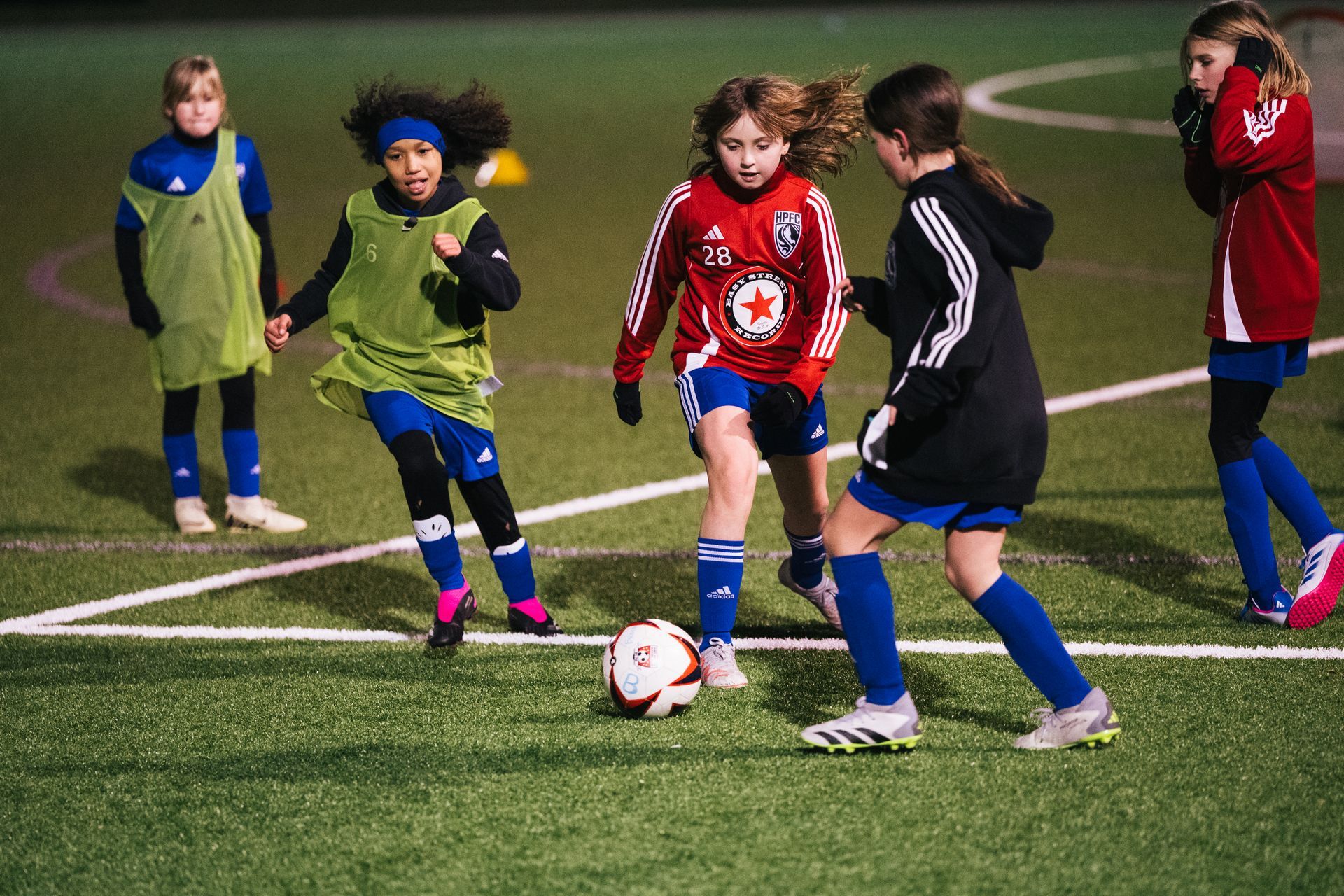
As winter settles into the Pacific Northwest, Highline Premier FC shifts into our cold‑weather operations mode. Player safety is always the priority, and this article is meant to give families clarity on how we make decisions, what to expect, and how you can help keep your player safe and comfortable all season long.
How Highline Premier FC Makes Weather Decisions
We monitor cold weather through a combination of methods including:
- Wind Chill Temperature (WCT) guidelines
- Zelus weather monitoring
- Real‑time updates from our field partners at Highline Public Schools, Seattle Parks, King County Parks, and City of Burien Parks
Cold weather decisions consider actual temperature, wind chill, field conditions, and the ability to safely travel to and from the field.
Here’s how we interpret WCT:
- Below 0° WCT: Activities canceled or moved indoors
- 1°–15° WCT: Frequent warming breaks required; indoor alternatives strongly considered
- 16°–24° WCT: Additional protective clothing required
- 25°–30° WCT: Normal activity with extra precautions
- Above 30° WCT: Standard operations
When conditions look concerning, we communicate early and often through PlayMetrics, email, coaches and team managers.
Who Makes the Call? Understanding Field & Game Protocols
Cold weather affects training and matches differently. Depending on the situation, several groups may step in to determine whether play can proceed:
Multiple authorities may cancel or postpone a practice or match:
- HPFC Leadership: Monitor weather and field conditions constantly and update coaches immediately when a decision is made to cancel or postpone.
- Field Vendors (Schools or Parks): Turf with snow is automatically unplayable. Frozen surfaces and flooding may close a field at any time.
- WPL or RCL: May cancel across the board if region‑wide playing conditions or travel becomes unsafe.
- Referee: Once teams arrive onsite, the referee has full authority to delay, pause, or cancel a game.
- Coaches: If both teams agree conditions are unsafe, the match can be postponed, but it must be documented. If a referee is present, they must acknowledge the decision.
How Families Can Help Keep Players Safe
Even with great field partners and monitoring tools, the most important voice in cold weather safety is yours.
Dress in Layers
A strong cold‑weather setup includes:
- Base Layer: Moisture‑wicking (avoid cotton)
- Insulating Layer: Fleece or similar
- Outer Layer: Waterproof, wind‑resistant shell
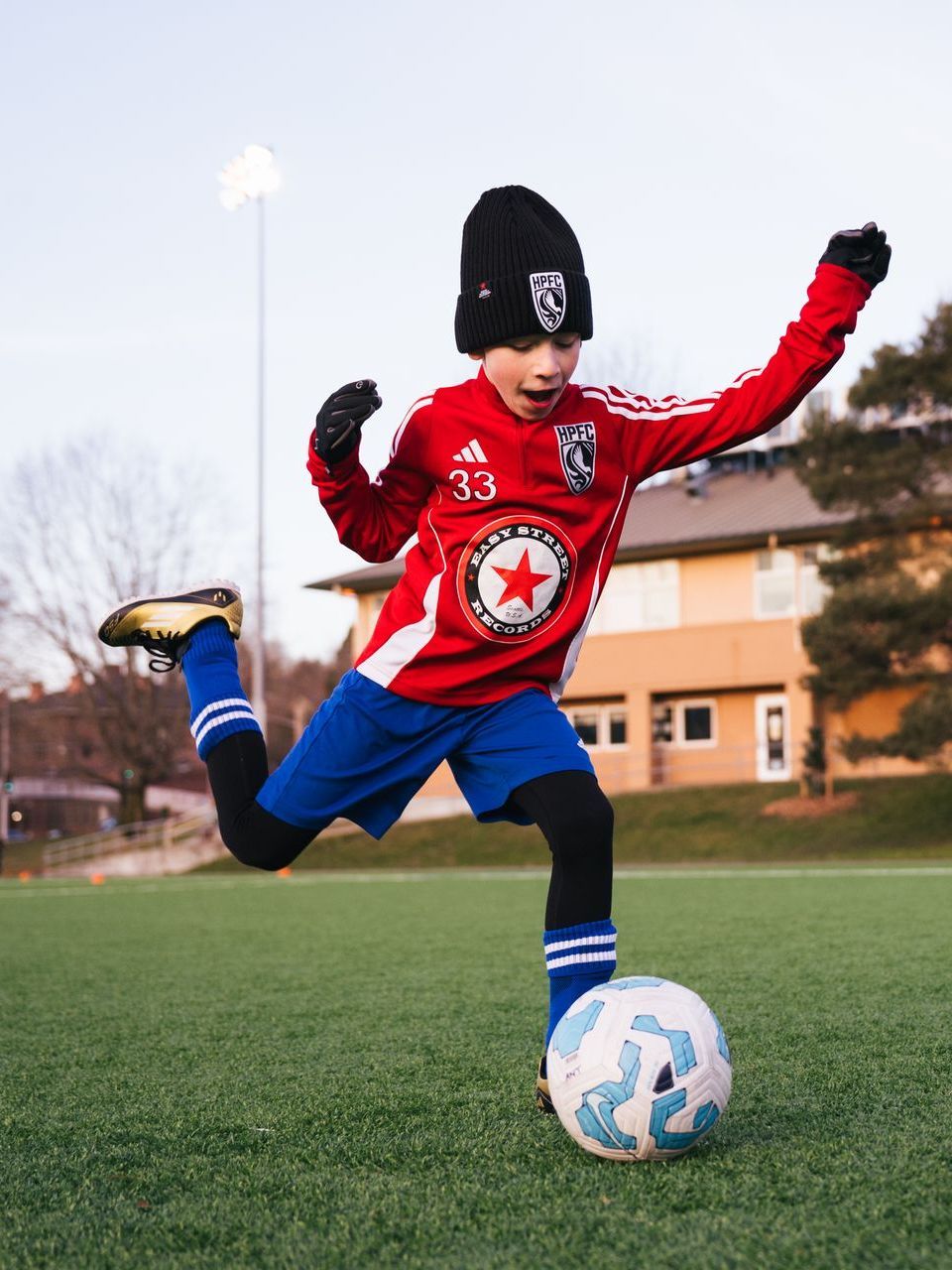
- Accessories: Hat, gloves, neck gaiter, extra dry socks
Stay Dry
- Moisture is the enemy of warmth.
- Pack an extra pair of socks
- Change out of wet clothes immediately
- Keep gear in dry bags or trash bags
- Bring blankets, jackets, and warm drinks for the sidelines
Hydrate
- Cold weather masks dehydration.
- Encourage water breaks
- Warm water in insulated bottles works well
Communicate Early
If your player:
- Is too cold
- Feels unwell
- Can’t safely travel…please keep them home and update your RSVP in PlayMetrics so coaches can adjust their plans.
Bottom line:
- If you don’t feel it’s safe for your child, we support that decision every time.
Cold weather is part of our environment, but safety always comes first. We’ll communicate clearly, follow established guidelines, and do everything we can to provide a safe and fun soccer experience.
And if at any point you feel conditions are unsafe for your child, please keep them home and update PlayMetrics. We’ll support your decision every time.
If you ever have questions about weather calls, field closures, or safety protocols, just reach out. We’re here to help.
Highline Premier FC: News